Culture

Inner Worldbuilding

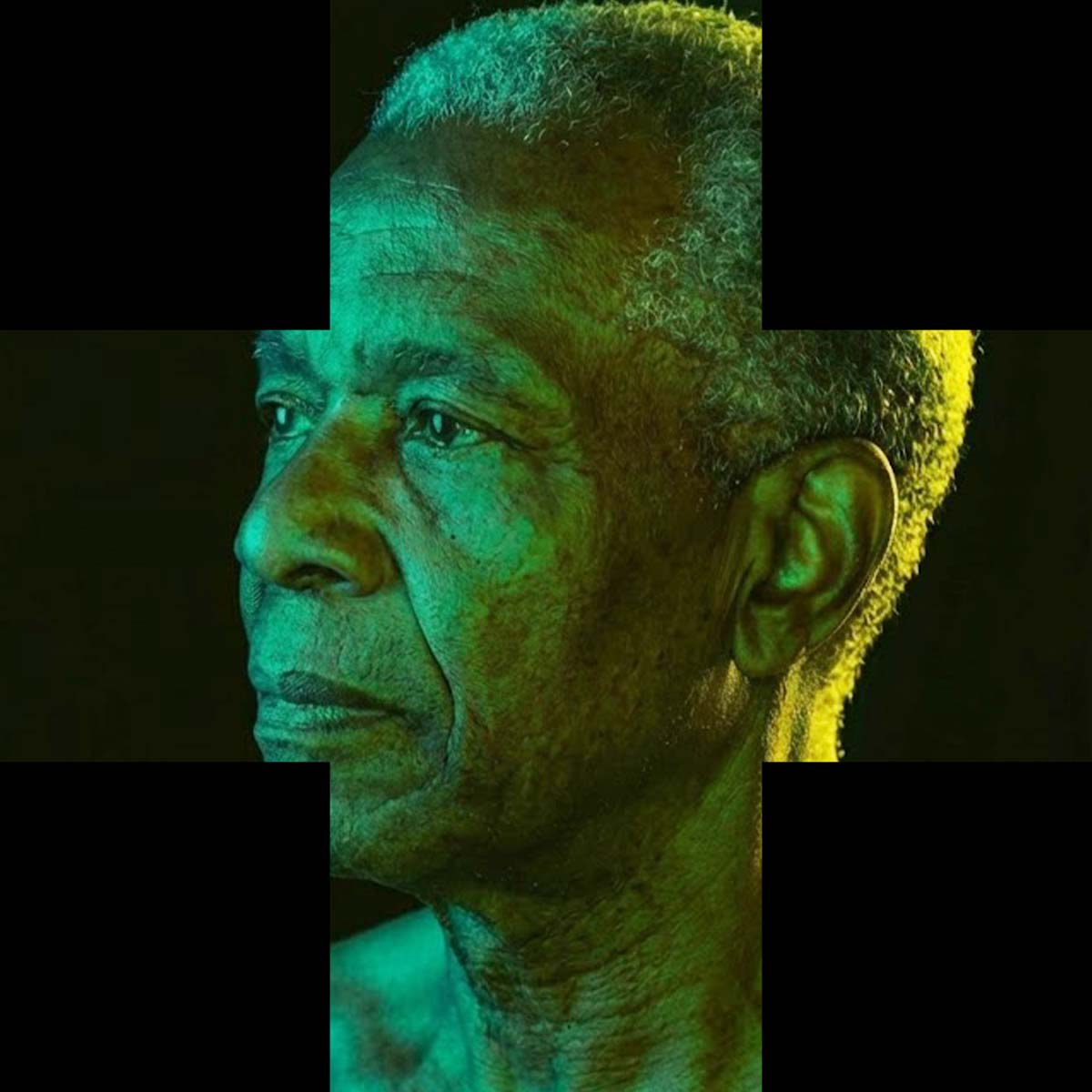
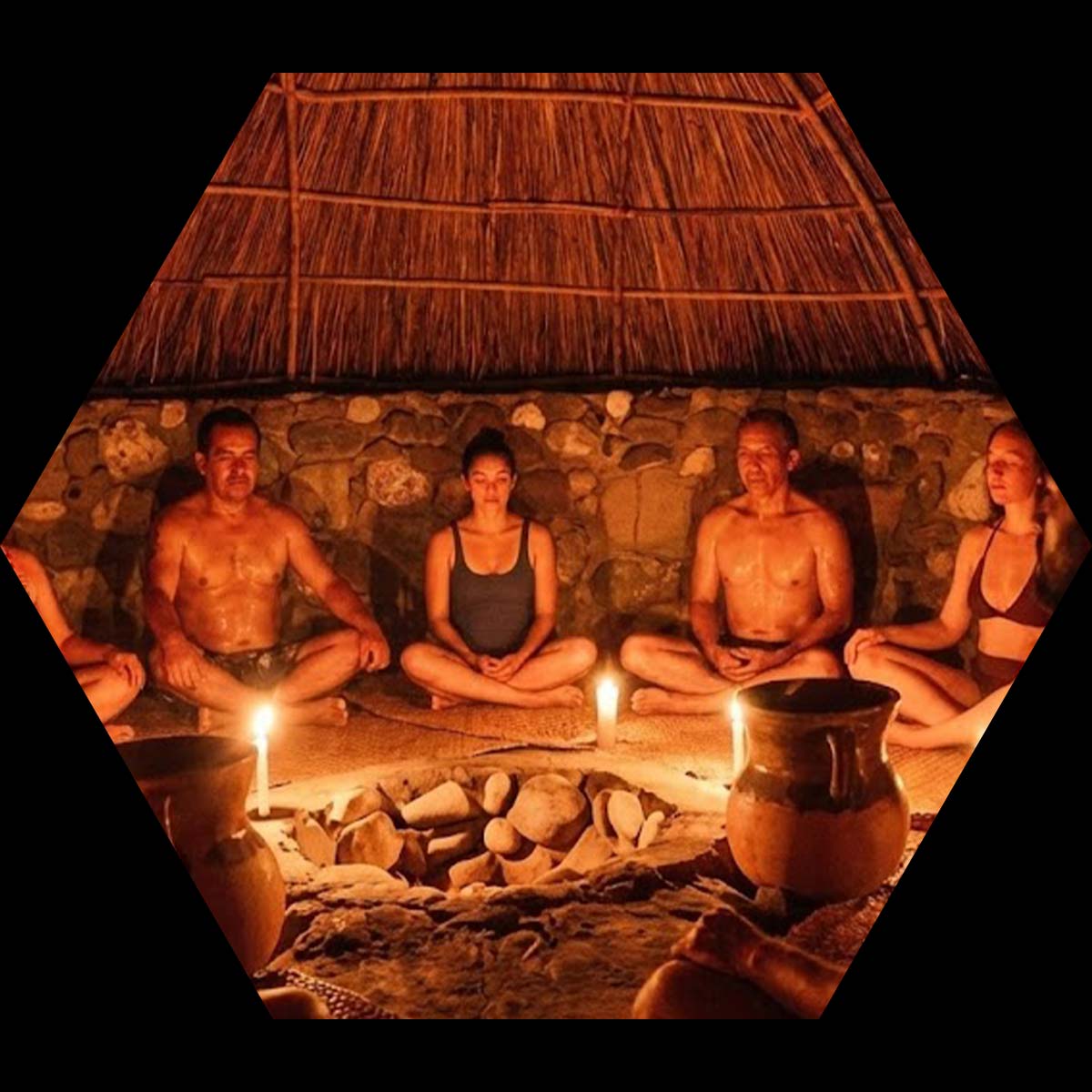
Culture is swinging inwards. As the constant availability of knowledge increases, we are reclaiming intuition, privacy, and unshared experience. In 2026, we place more boundaries. Protection from the prying eyes of strangers’ lenses, the near-invisible listening and recording devices that are always on, and AI sleuthing that allows anyone to know anything. This isn’t just about evasion. It’s about valuing your gut, keeping things for just you and your close friends. We’re building inner worlds.

BY
//

Chris Danton

Guest Contributor

Chris Danton

Predictions

The Row

Feed Me

Offball

Subscribe for Good Thinking

If you are already subscribed to GOOD THINKING, just use your Substack email and we won’t duplicate you on the list.
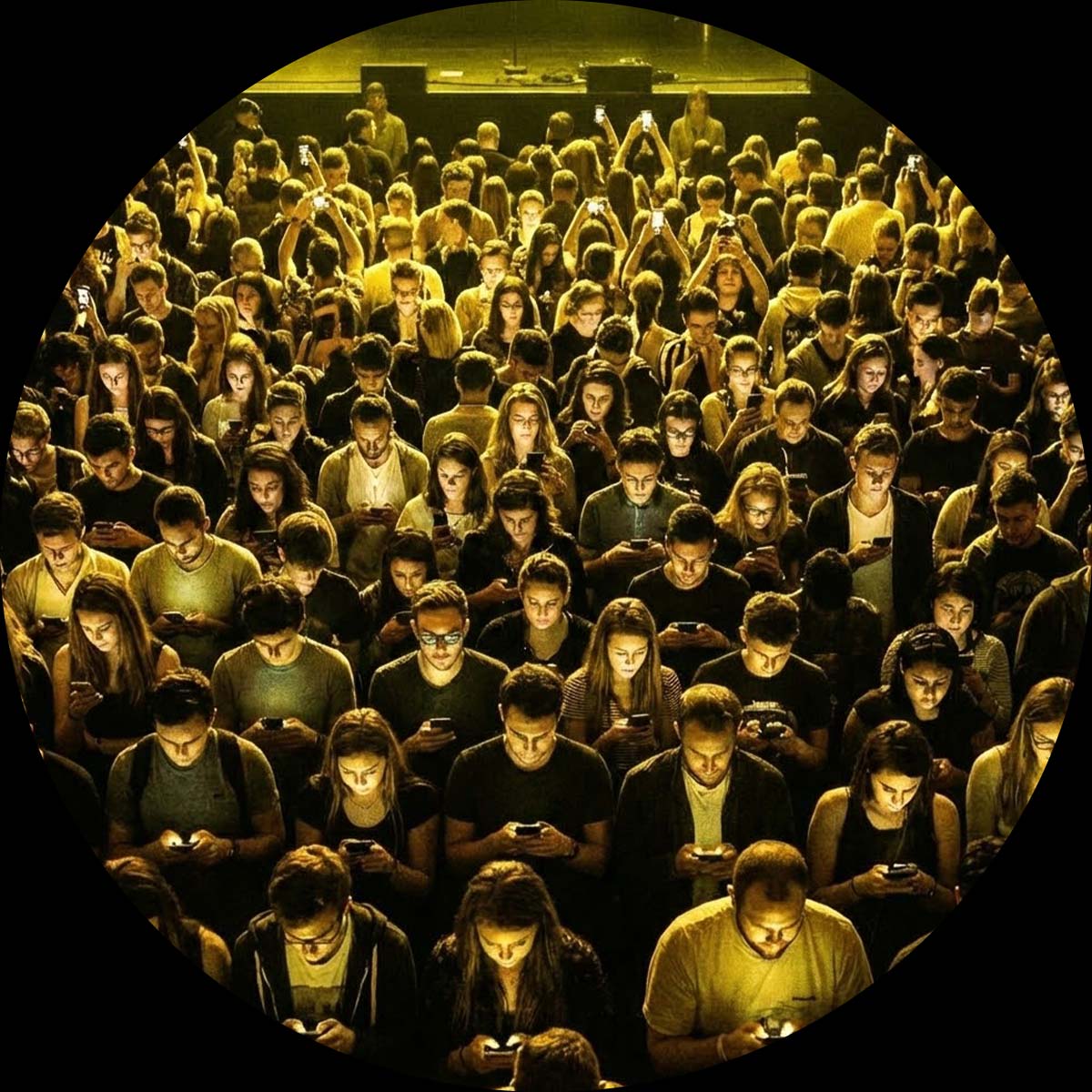
Radical spectacle rises. As inner worlds get gated, shared experiences get bigger. Brands build wonderlands to compete with AI for attention. Building brand in this era will be about showing up. And our expectation is brands go big or not come home with us.

Part 1

Part 2

GUEST PREDICTIONS
GUEST PREDICTIONS

Anu Lingala

Connecting dots and building a world-class trends library.

Anu Lingala

We’ll see the continued acceleration of Aspirational Humanity — as artificial intelligence hyper-flattens mass culture, anything denoting evidence of humanity becomes exceptionally desirable. And as a consequence, we’ll begin to see the emergence of a Hierarchy of Humanness.

  1. Human-created cultural products positioned as most valuable, and priced accordingly
  2. Elevated synthetic content that is “humanwashed” to recreate a semblance of humanness — the new “premium mediocre.”
  3. Synthetic slop for the masses, akin to ultra-processed food and fast fashion 

I’m hopeful that 2026 will see the rise of Subversive Sincerity, or a version of progressivism that is less ‘cringe’ and channels a more rebellious energy. This would manifest primarily in subcultural spaces that intentionally evade the algorithm. But some of mainstream cultural indicators would include the resurgence of rock music and a revival/remix of punk, goth, and grunge aesthetics in fashion.

Matt Klein

You know him. You love him. Culture interpreter extraordinaire.

Matt Klein

Nuance becomes the antidote. In 2026, our planetary crises and personal conflicts will increasingly stem a culture that has abandoned complex, ambiguous, grey-area thinking. Strengthening this atrophied capacity for nuance is mission critical.

Michelle Blaser

An expert observer, tracking things coast to coast.

Michelle Blaser

The coasts are out and the South is in. Visa’s data shows the South is now growing faster in population and GDP than any other region, and it’s expected to keep outspending the rest of the country through 2026. The old “undereducated redneck” stereotype is dead. Southerners have real buying power, and they want brands that speak to their culture, not around it. YETI, Dr. Pepper, and Tecovas get it. The rest of the industry needs to catch up.

Victoria Montgomery

A woman putting words to culture. And connecting women in brand worldwide.

Victoria Montgomery

Nostalgia for human kind

Well, the world’s a bit rubbish, isn’t it? In 2026, brands will compete for 'culture shaper'. With the 2025 AI avalanche making us so co-dependent we ask Chat to remind us of our own name, brands will tap into smaller communities to build trust, champion human connection, and find extraordinary in the ordinary (with a conversion KPI). Think Claude pop-ups and AmEx live, but the onus on unique experiences that spread joy.

We’ll see human-crafted content win - though the jury's still out on whether that’s perfection in imperfection (the ultimate UGC), or polishing the slop with quality craftsmanship and big budgets (more Apple mnemonic).

Ochuko Akpovbovbo

Wise, always on point and giving it to us from the Gen Z perspective.

Ochuko Akpovbovbo

There's going to be a shift away from the "glossier-fication" of everything towards a design language that is sexier and more mature, particularly in beauty and wellness.

Marie Dollé

A modern-day philosopher bringing the best perspectives to your inbox.

Marie Dollé

Nonsense Communities

Dictionary.com named “6-7” as word of the year. What does it mean? Nothing, really. It’s just a meme that lots of people repeat whenever they get the chance. Some teens shout “six-seveeeeen” because they think it’s funny. And others do it because they think it’s cool to say. While it may seem trivial, I think, in fact, that it illustrates a broader sociotechnical trend in which meaning is deliberately erased to create tighter human bonds. Think about it: AI can repeat “6-7,” map its spread, or generate infinite variants, but it cannot belong, because it has no playground, no fear of exclusion, no thrill of a joke whispered behind the teacher’s back. 

This logic appears elsewhere, from children banned from social media who end up building an entire social network inside a shared Google Doc, to the rise of algospeak in 2022, when users on TikTok and YouTube invented coded language to evade automated moderation, turning nonsense, euphemisms, and emojis into a shared dialect. Across these cases, humans exploit ambiguity and absurdity as a feature. How so? By creating communication systems that are illegible to machines and outsiders. The point is to produce a sense of community rooted in the deep pleasure of co-created secrecy and belonging. 

What brands could leverage: Instead of chasing clarity or viral simplicity, brands can create cultural magnetism by designing spaces where audiences shape the meaning with micro-languages, evolving symbols, playful rituals, or ambiguous signals that reward participation over passive consumption. It’s a great way to cultivate singularity, insider affinity, generate culturally resilient engagement, and occupy a space algorithms, and competitors, cannot easily imitate or infiltrate.

Read More

1a
SUBSTACK
Subscribe to good thinking